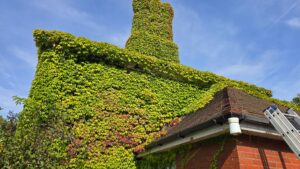
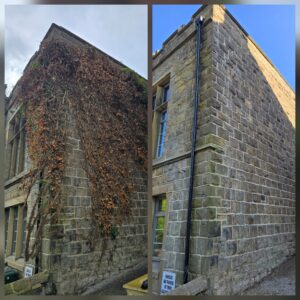
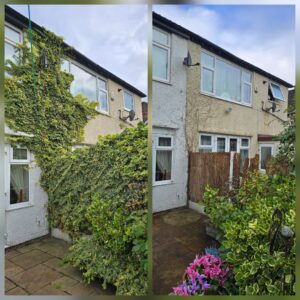
Trusted Cleanerz / The field guide
What Hides Behind Ivy? Pests, Birds’ Nests & Wildlife on UK Homes
An ivy-covered wall can conceal more than brickwork. Our real removal photographs reveal the small creatures inside — and the wildlife homeowners should look out for before disturbing it.
UK property & wildlife • Real job photographs
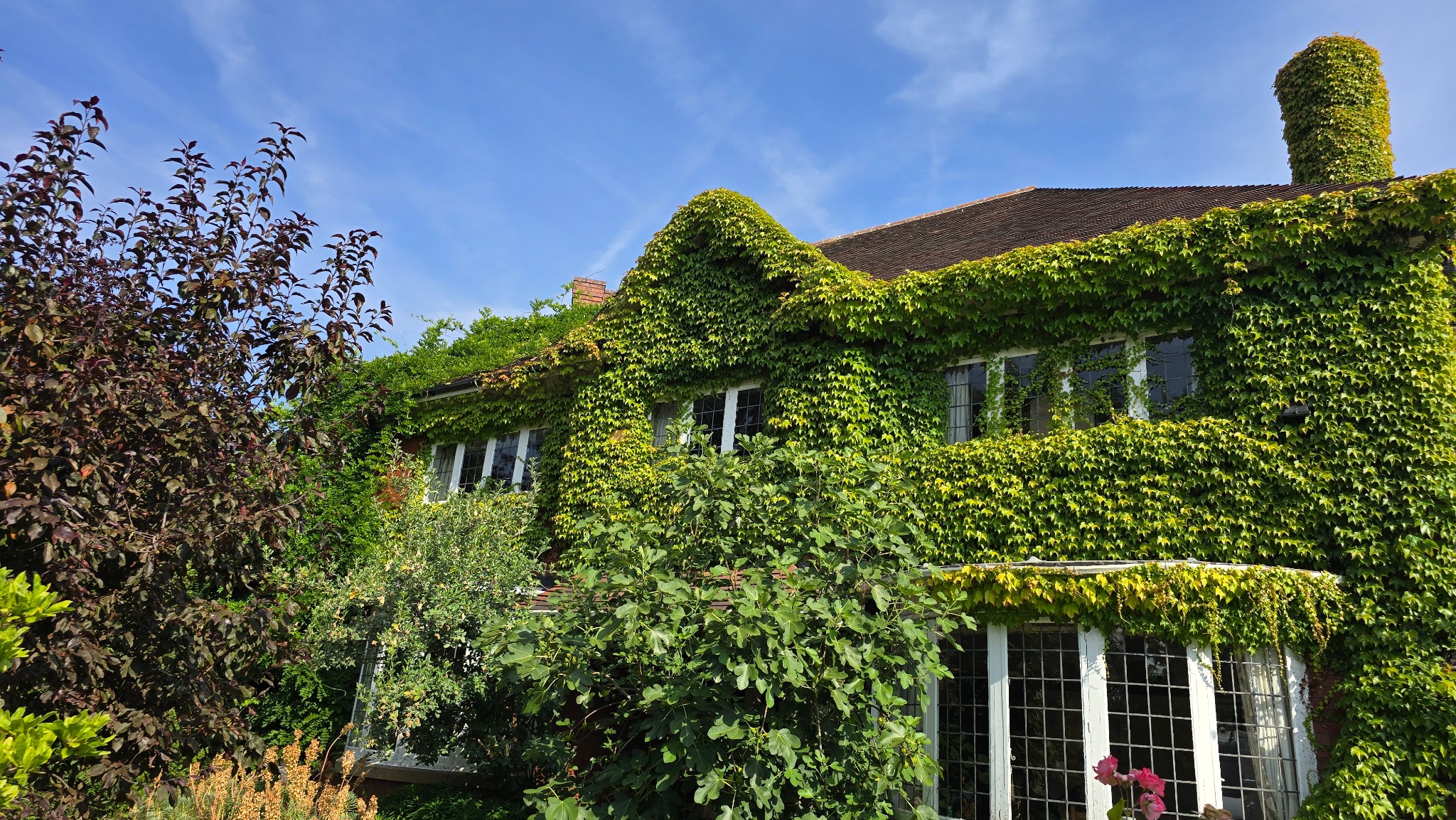
Behind dense evergreen leaves, ivy can create a sheltered world of insects, birds and other wildlife. Some are regarded as household pests; many are harmless or beneficial. Knowing the difference matters when you are planning ivy removal.
At Trusted Cleanerz, we have photographed spiders, harlequin ladybirds, woodlice, snails and slugs while clearing ivy from UK properties. This article separates those first-hand sightings from other animals that may use ivy for shelter or food. We have not encountered rodents on the jobs documented here, so we are not presenting them as a discovery.
What our team has actually uncovered
These are real photographs taken around ivy removal work — not generic pictures presented as job evidence.
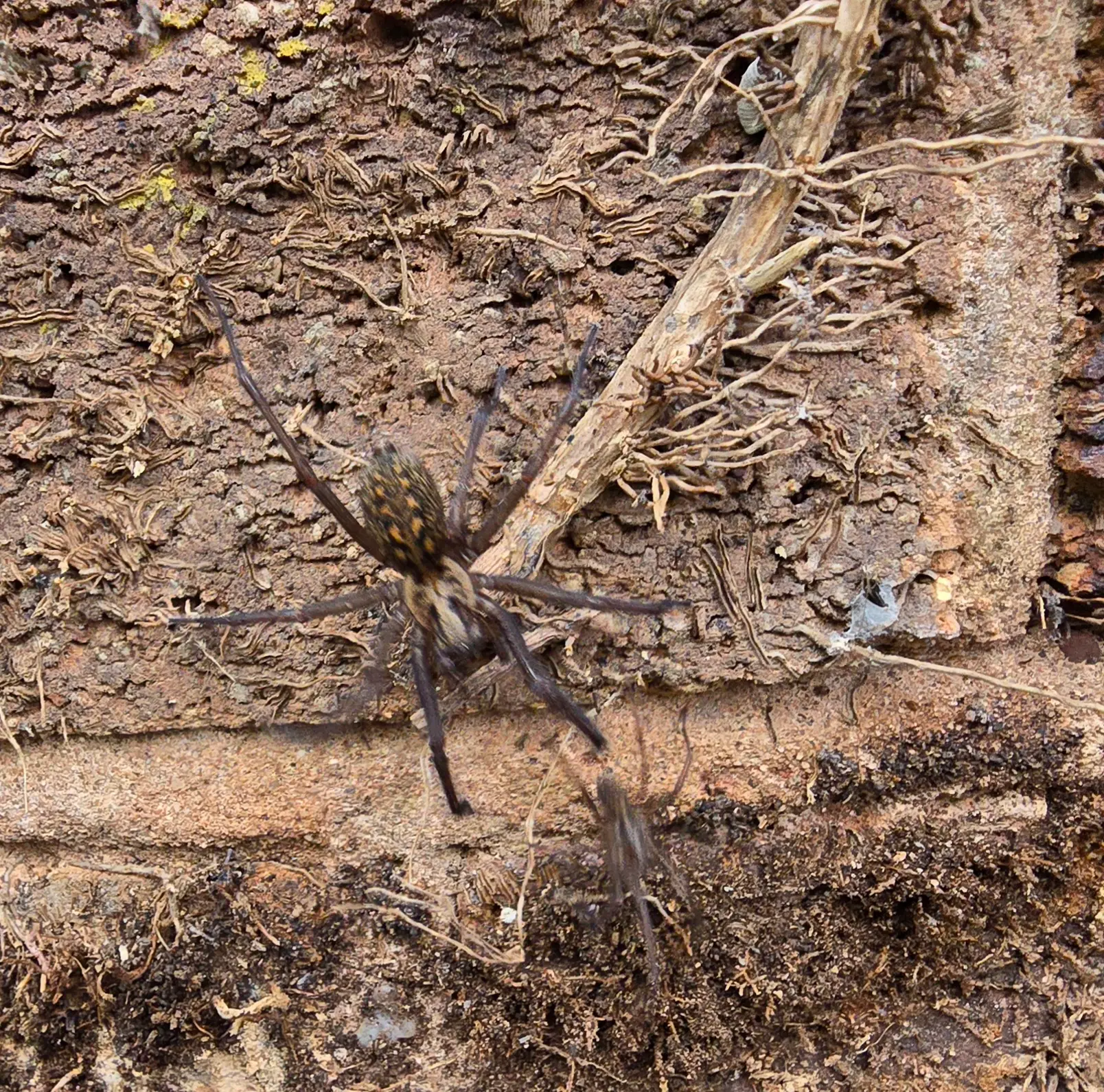
Spiders
Dense ivy offers sheltered corners and a steady supply of insects for spiders to feed on. Most spiders found around UK homes pose little risk to people.
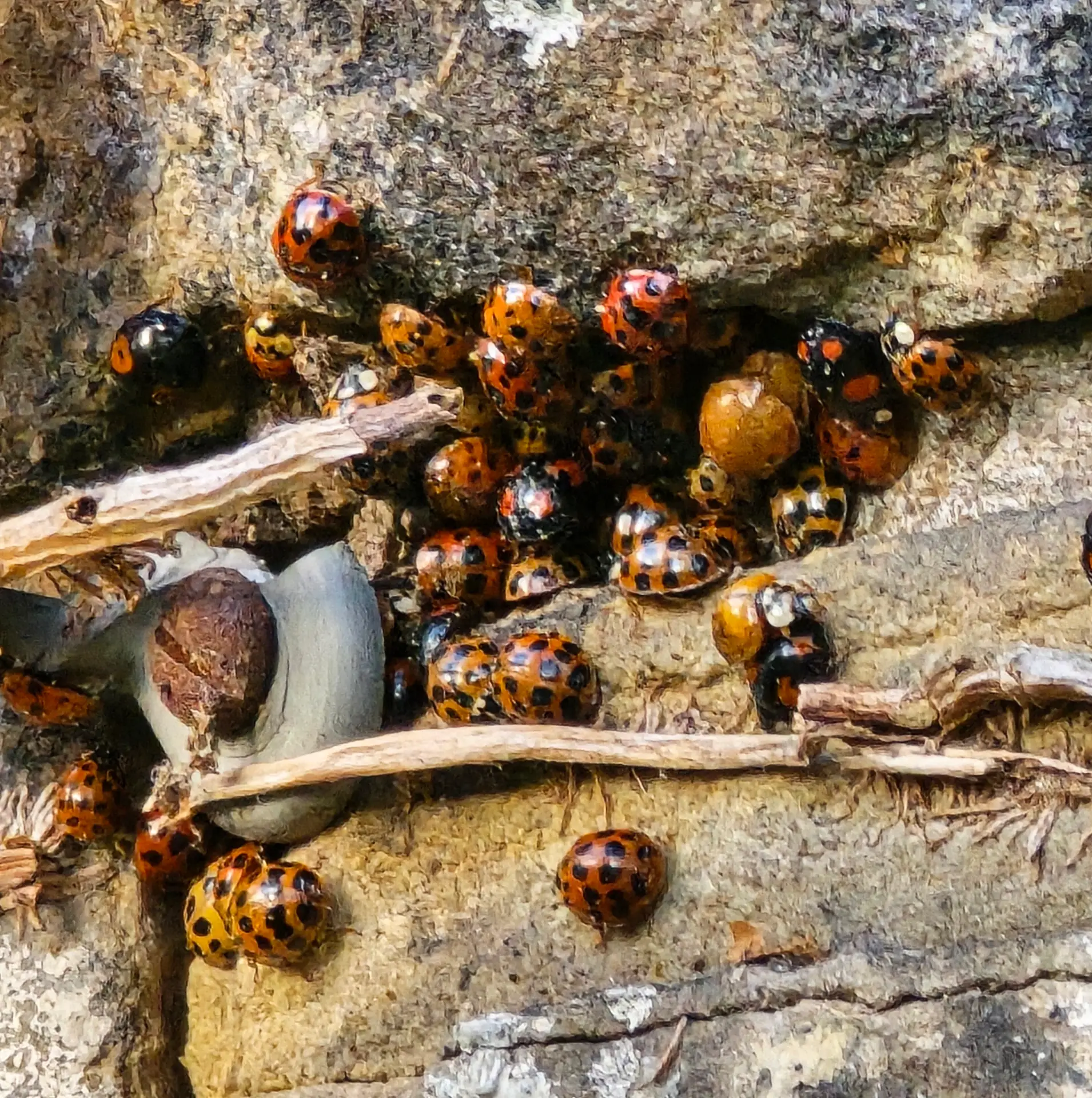
Harlequin ladybirds
Clusters can shelter in cracks and protected gaps. They may be a nuisance if they find their way indoors, but seeing them outside does not mean a property is infested.
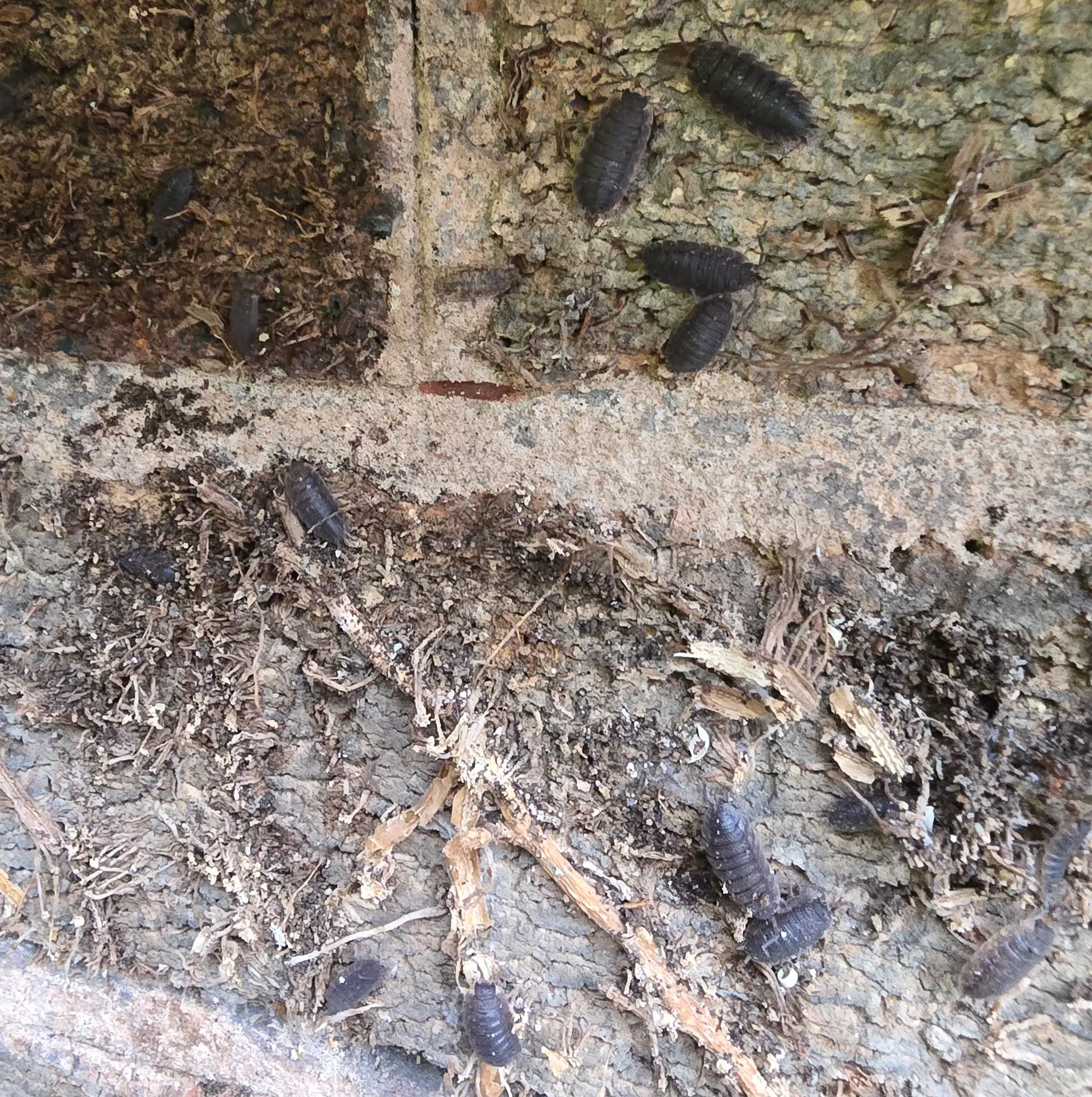
Woodlice
These small crustaceans prefer damp, shaded places and mostly feed on decaying organic matter. They are usually part of a healthy garden ecosystem, not a structural pest.
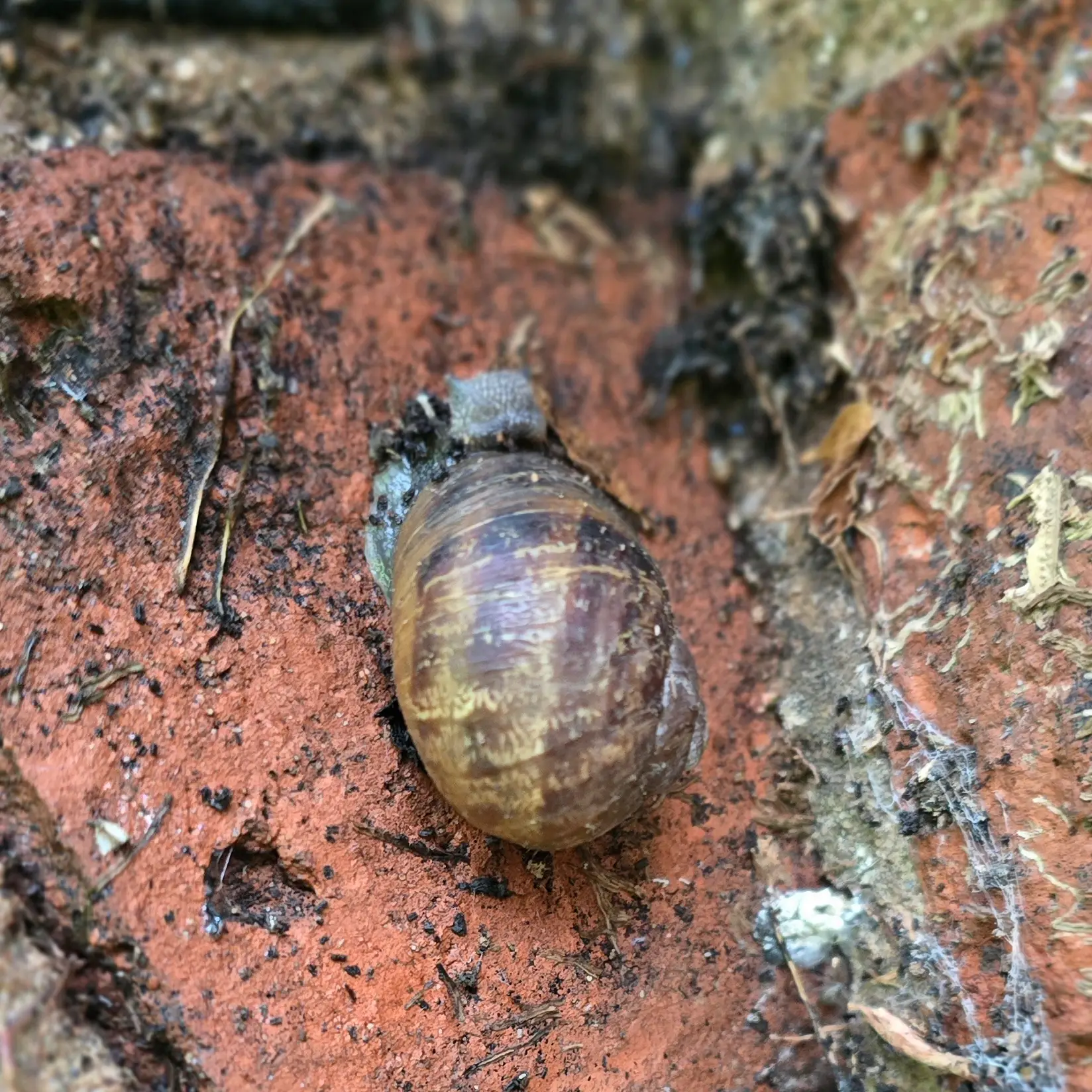
Snails
Ivy-covered walls provide cool, moist resting places for snails. They may leave trails near patios or low-level doors, but are primarily garden wildlife.
Our field note: Discovering insects or snails behind ivy is not, by itself, evidence of a pest infestation inside the home. It is often simply a sign that dense vegetation has created suitable shelter.
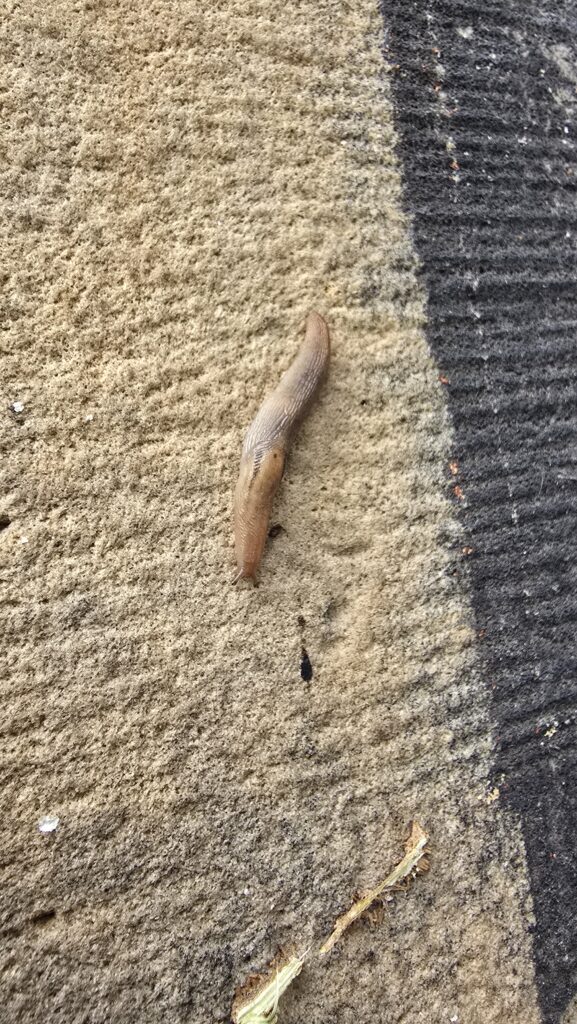
We have found slugs too
Slugs prefer shaded, humid conditions. Our photograph shows one hidden in the ivy layer, where leaves and trapped debris help protect it from sun and drying winds.
For a closer look at harlequin ladybirds, see our separate guide to ladybirds hiding in ivy.
Why ivy makes such a useful hiding place
A mature ivy covering gives creatures shelter from wind and rain, shade on sunny days and access to leaf litter and other insects. The thick climbing stems can also create covered routes along walls.
Three things dense ivy provides
- Cover: closely packed leaves make creatures harder to spot.
- Microclimate: shaded, sheltered gaps can stay humid and less exposed.
- Food: leaf litter supports small invertebrates; older flowering ivy provides autumn nectar and pollen; berries feed birds later in the year.
Not everything behind ivy is a pest.
Spiders, beetles, pollinators and nesting birds play useful roles in gardens. The RHS explains why ivy is valuable habitat even when growth on buildings sometimes needs controlling.
Birds can nest in ivy — and they are not pests
Dense ivy on walls, fences, hedges and trees can shelter nesting birds. The Royal Horticultural Society identifies robins, wrens and dunnocks among species that may choose ivy as nesting cover.
A nest can be almost invisible behind thick foliage. Watch from a distance for adult birds repeatedly entering one spot, carrying nesting material or bringing food to young. Do not pull the ivy back simply to inspect a suspected nest.
Important: In England, Scotland and Wales, wild birds’ nests are legally protected while they are being built or used. There is no fixed date when an active nest stops being protected. If you know or suspect one is present, do not disturb or remove it; postpone work in the affected area and seek appropriate advice. See the RSPB guidance on nesting birds.
We are describing a recognised wildlife possibility, not claiming our team photographed or discovered a bird’s nest on the jobs shown above.
What else might be behind — or around — ivy?
The animals below may use ivy-covered places. They are not all confirmed Trusted Cleanerz sightings.
Wasps & bees
Wasps may nest in hidden cavities near ivy, and flying insects often visit mature ivy flowers for nectar. Wasps visiting flowers do not automatically indicate a nest. If many wasps repeatedly enter a single gap, stop before disturbing the area and seek specialist pest-control advice if appropriate.
Mice & rats
Ivy at ground level can provide cover and concealed travel routes for small mammals, especially near gaps into buildings. This does not mean ivy attracts rats or that rodents are present. We have not personally reported finding them during these photographed jobs. Look for independent signs such as droppings, gnaw marks or visible entry points.
Bats
Dense ivy may obscure crevices, cavities or bat roost entrances, particularly on older buildings or trees. A suspected bat roost is a specialist wildlife matter, not routine pest control. Bats and their roosts have strong legal protections; do not disturb them or obstruct access. Read Natural England’s bat guidance.
Other invertebrates
Ants, earwigs, beetles, centipedes, millipedes and other small creatures may use sheltered gaps or leaf litter. Butterflies, moths, caterpillars, bees and hoverflies can benefit from ivy as food or habitat — they should not all be described as household pests.
Garden mammals
Low, undisturbed vegetation may also offer cover for small mammals, including hedgehogs nearby. This is another reason to check ground-level ivy and debris carefully before clearing it.
Six checks before removing ivy
Whether you’re tackling a small garden wall or arranging professional removal from a whole building, a careful check can prevent unnecessary damage and wildlife disturbance.
Look from a distance for birds repeatedly entering one area or carrying nesting material and food.
Repeated flights in and out of a crack can indicate a concealed nest. Do not pull at that area.
Look around vents, soffits, roof edges and old pointing for possible wildlife access and fragile materials.
If you suspect a bat roost, stop and get advice from a qualified bat specialist or the National Bat Helpline.
Wear gloves and eye protection, and avoid disturbing debris unnecessarily.
Clear in controlled sections only when safe and lawful; avoid occupied nests and protected roosts.
Good ivy removal is not just about what comes off the wall. It is also about what needs checking before work starts.
Frequently asked questions
Does ivy attract pests into the house?
Not necessarily. Ivy supports outdoor wildlife and may provide cover near openings, but seeing spiders, woodlice or snails behind it does not prove a house infestation. Existing entry gaps, food and moisture are separate factors to investigate.
Can birds build nests inside ivy on a wall?
Yes. Ivy can conceal active nests, especially in dense, mature growth. Do not disturb a nest while it is being built or used, even outside the main spring and summer nesting season.
Can wasps build nests behind ivy?
They can use sheltered cavities concealed by ivy. But wasps feeding on ivy flowers are not proof of nesting. If you see concentrated flights to one opening, avoid disturbing it.
Does ivy mean there are rats or mice?
No. Ivy may offer cover, but rodents should never be assumed present without signs. Our team has not reported rodents during the specific projects described here.
Should all ivy be removed?
No. Healthy ivy can benefit wildlife. Removal or careful reduction may be appropriate when it obstructs gutters, rooflines, windows or necessary building maintenance. The right choice depends on the property and any wildlife present. See our guide to whether ivy is good or bad for a home.
Need to remove ivy from your property?
We specialise in controlled, manual ivy removal from homes and buildings across the UK. Our work includes clearing growth and documenting the condition underneath. Where protected wildlife or an active nest is suspected, work must be assessed and adjusted rather than simply pressing ahead. We do not provide pest control or licensed wildlife relocation.
Request an ivy removal quote →View real removal projects →Further reading & sources
- RHS: Ivy on buildings and fences — wildlife benefits and property considerations.
- RSPB: Birds’ nests and nestboxes — practical advice and nest protection.
- GOV.UK: Bats — protection, surveys and licences — legal protection and specialist advice for England.
Original field photographs: Trusted Cleanerz Ltd. Wildlife descriptions are general UK guidance and do not imply that every creature listed has been observed by our team.