
Why People Remove Ivy: What We Found From 55 Recent Projects
Ivy removal is often treated as a simple gardening job, but our recent work shows that the reasons people want ivy removed are much more varied. We reviewed data from our most recent 55 completed ivy-removal projects to see why customers contacted us, which parts of buildings were affected, how extensive the growth was, what was revealed after removal and how much green waste the work produced.
The information was compiled from our job records, quotations, photographs, videos and details recorded from the work carried out. It reflects the projects handled by Trusted Cleanerz and should be read as real-world field data from our own work rather than as a survey of every ivy-covered property in the UK.
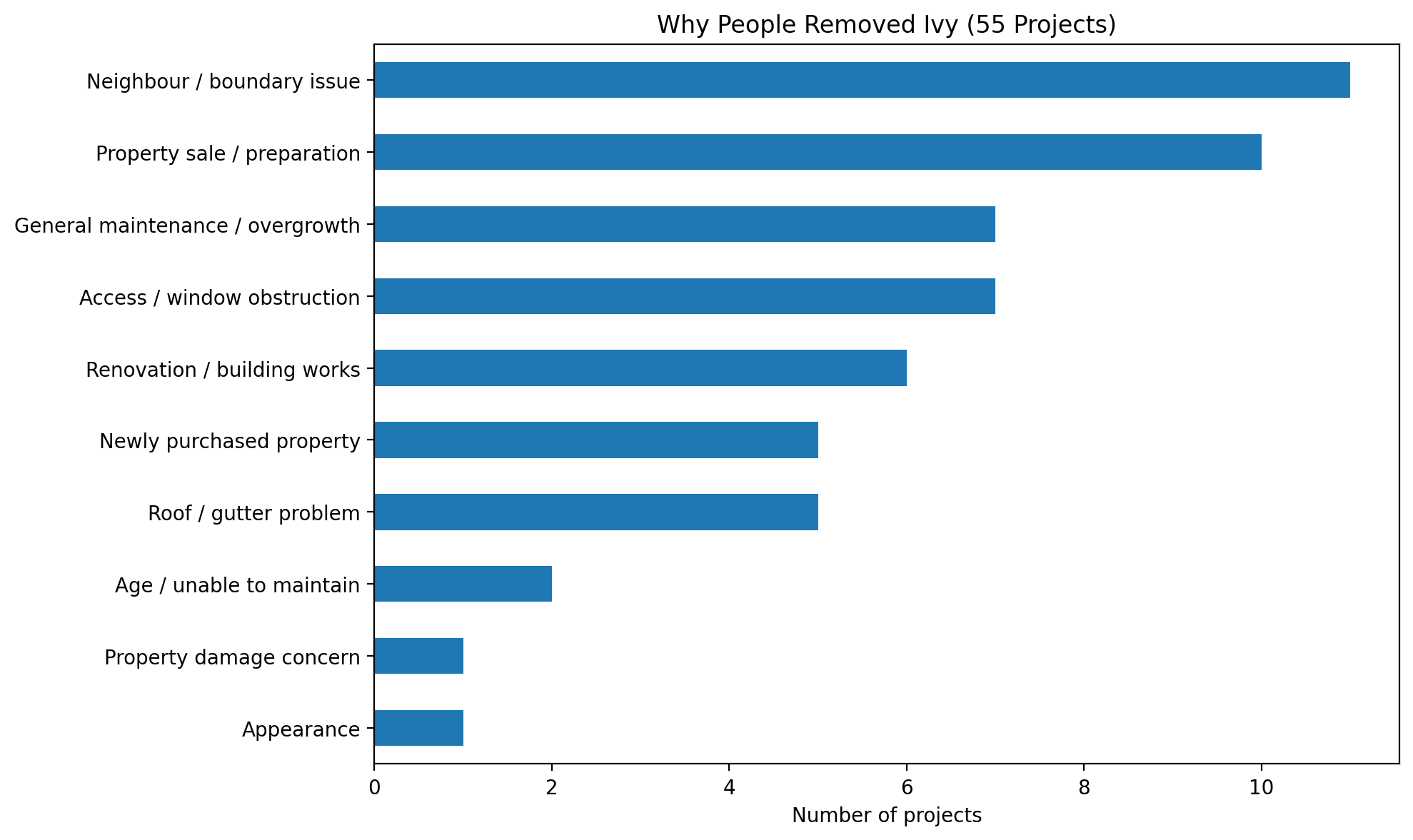
- Neighbour or boundary issues were the most common main reason for removal: 11 projects.
- 10 projects were connected with preparing a property for sale.
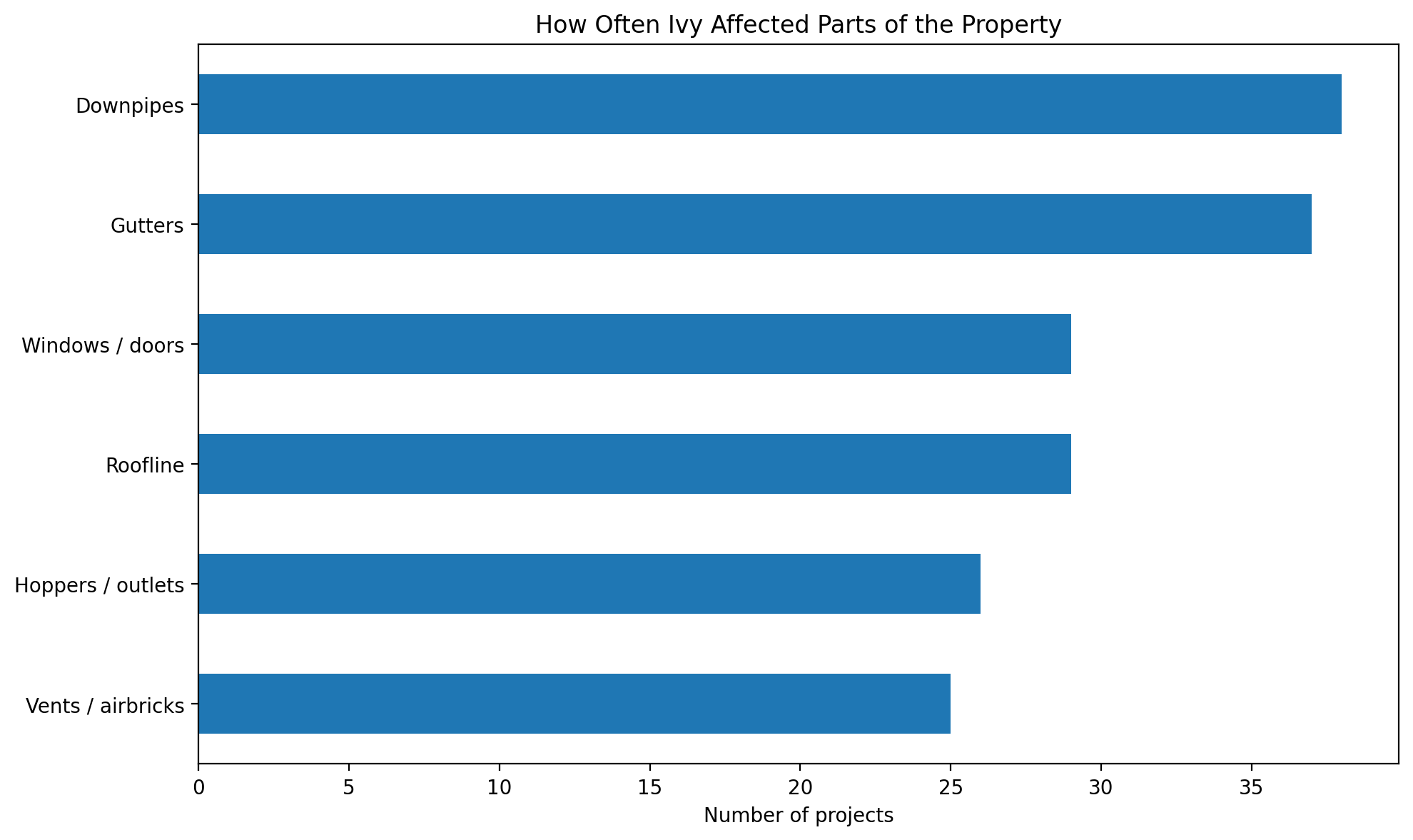
- 38 projects involved downpipes and 37 involved gutters.
- 29 projects reached the roofline and 29 covered windows or doors.
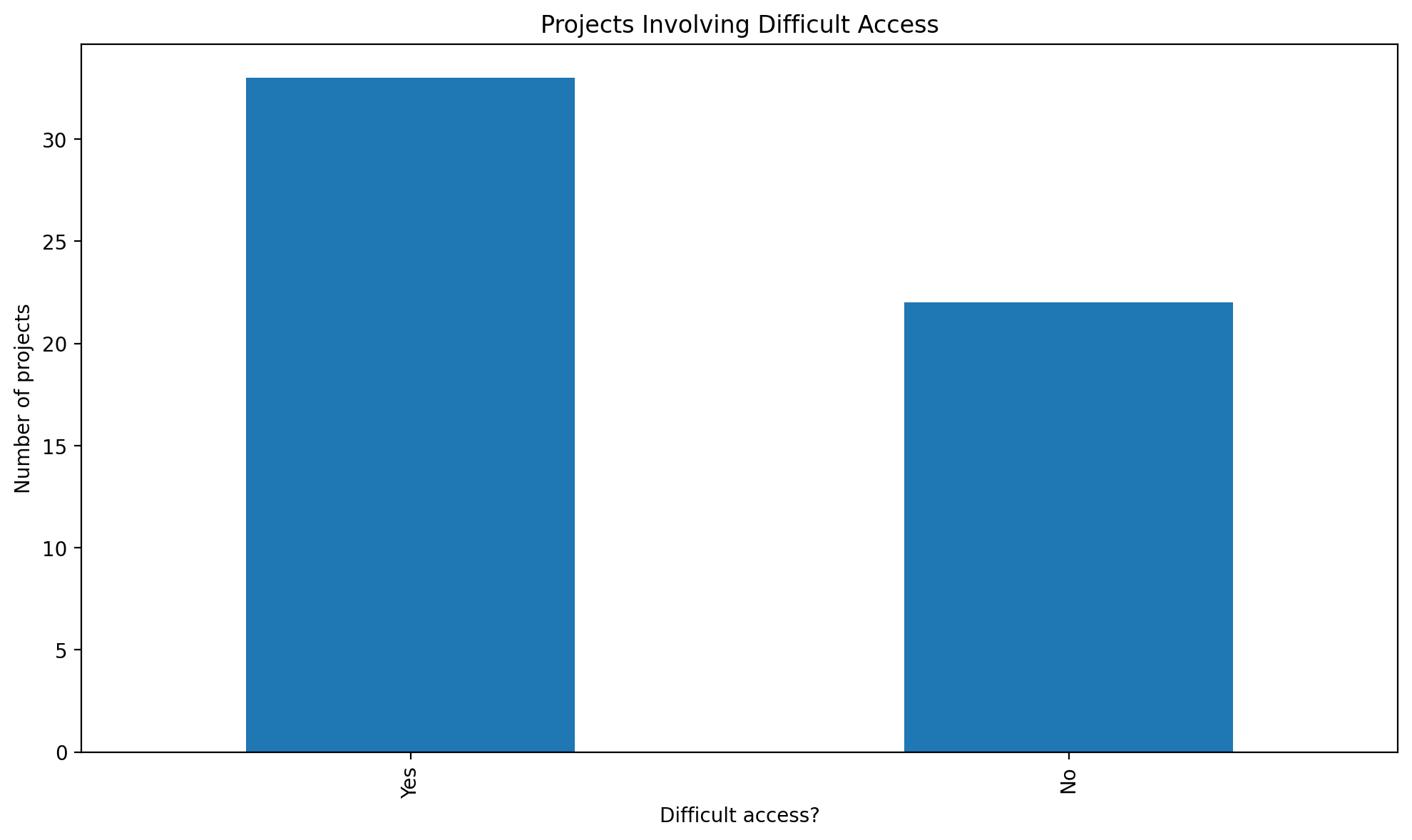
- 33 projects involved difficult access.
- 52 of 55 projects left some level of visible ivy attachment marks after removal.
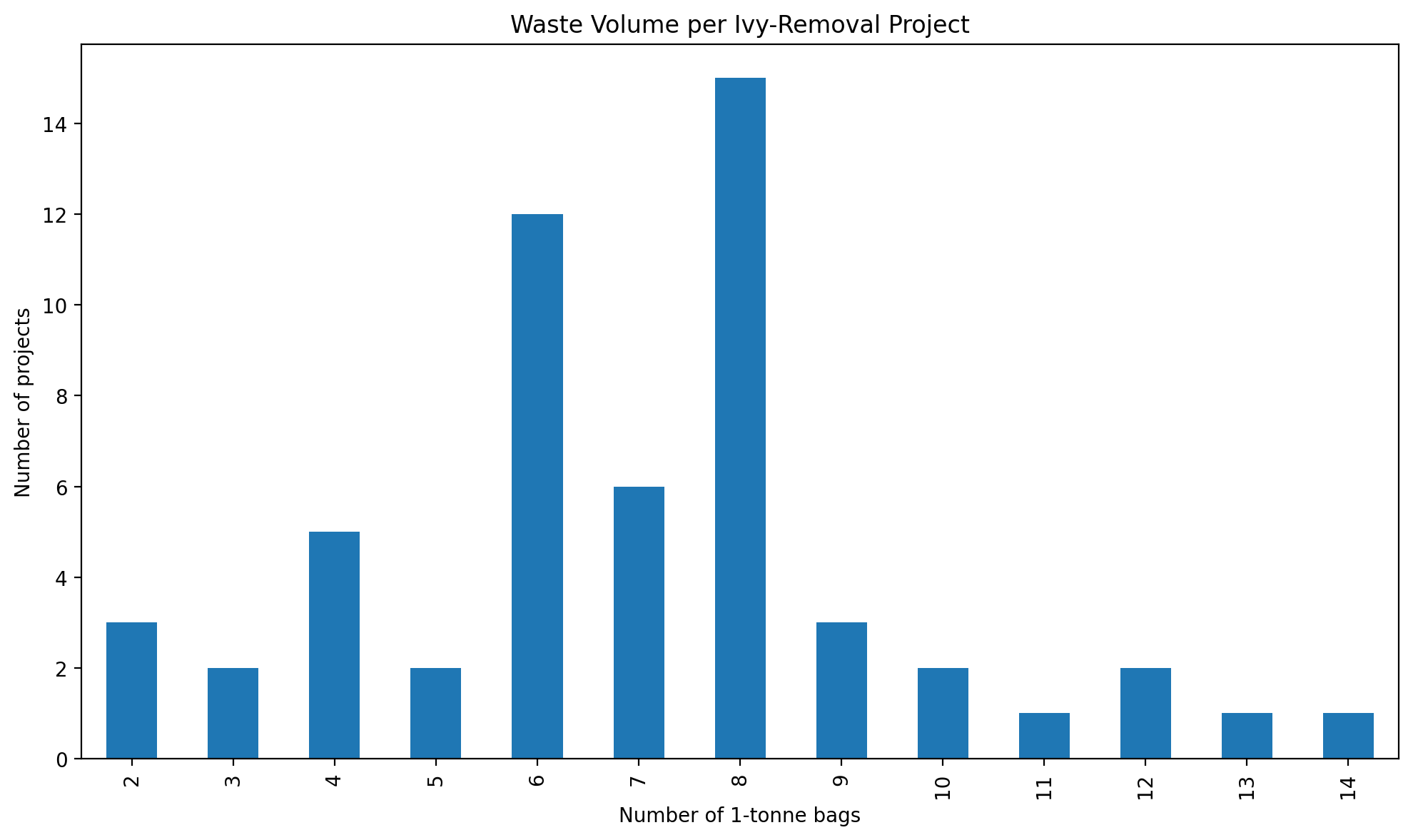
- The recorded waste volume averaged 7 one-tonne bags per project, ranging from 2 to 14 bags.
Why were customers having ivy removed?
There was no single reason. Some customers were dealing with ivy crossing a boundary or affecting a neighbour. If this is the problem you are facing, our guide on what to do when a neighbour’s ivy is growing onto your property explains the practical options in more detail. Others were preparing a house for sale, renovating a newly purchased property, trying to restore blocked windows or access, or dealing with growth around gutters and rooflines.
Across the 55 projects, the main reasons recorded were: 11 neighbour or boundary issues, 10 property sale or preparation jobs, 7 access or window-obstruction jobs, 7 general maintenance or overgrowth jobs, 6 renovation or building-work projects, 5 roof or gutter problems, 5 newly purchased properties, 2 cases where age or ability to maintain the ivy was a factor, plus individual cases involving appearance and concern about property damage.
Ivy often affected more than one part of the property
One of the clearest patterns was that established ivy rarely stayed confined to a single patch of wall. By the time many customers contacted us, growth had reached building features that made removal more difficult and increased the need for careful manual work.
In our dataset, ivy involved 38 downpipes, 37 gutter systems, 29 rooflines, 29 windows or doors, 26 hoppers, bends or outlets and 25 vents or airbricks.
Most of the work was more than light ivy growth
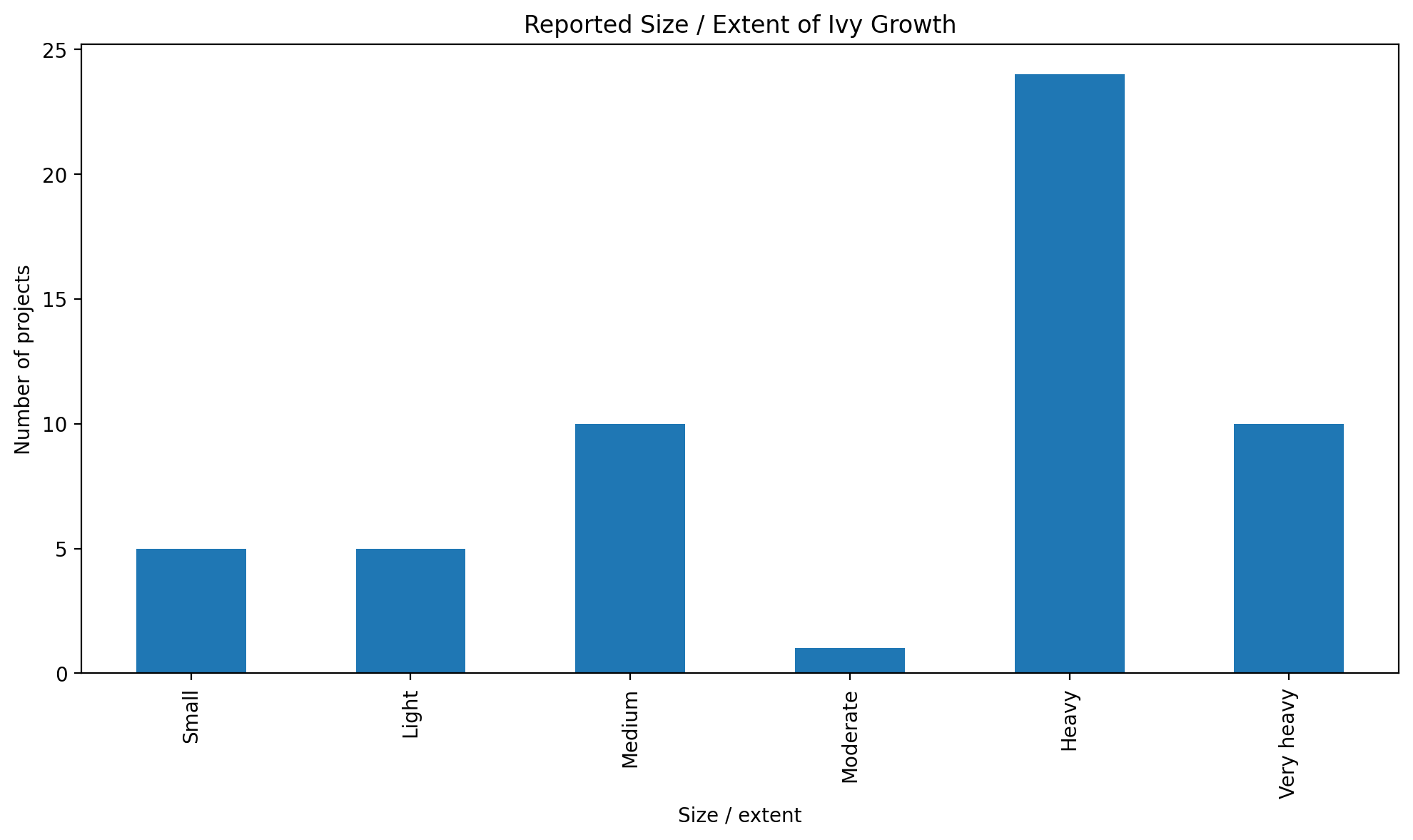
We also recorded the approximate scale of each project. Of the 55 jobs, 24 were classed as heavy and another 10 as very heavy. That means 34 of the 55 projects involved heavy or very heavy growth.
The remaining projects included 10 medium, 5 light, 5 small and 1 moderate job. This is useful context because enquiries that look relatively straightforward in a photograph can become much more labour-intensive once ivy is found around gutters, rooflines, windows, fences or awkward access areas.
Difficult access was common
33 of the 55 projects involved difficult access. This could mean restricted side access, growth above extensions or conservatories, narrow gaps, high rooflines, boundary obstacles or areas that could not simply be approached from directly below.
Access is one of the reasons ivy removal can take longer than the visible amount of growth might suggest. The work has to be approached in sections, with care around building features and with enough time allowed to finish the removal properly rather than rushing the final areas.
Removing ivy does not mean the wall will look new
This is one of the most important things for customers to understand before the work starts. Ivy can leave attachment marks, fine tendrils, staining and other evidence on the surface beneath it. The condition of the wall, render, paint or pointing may also only become fully visible after the plant has been removed.
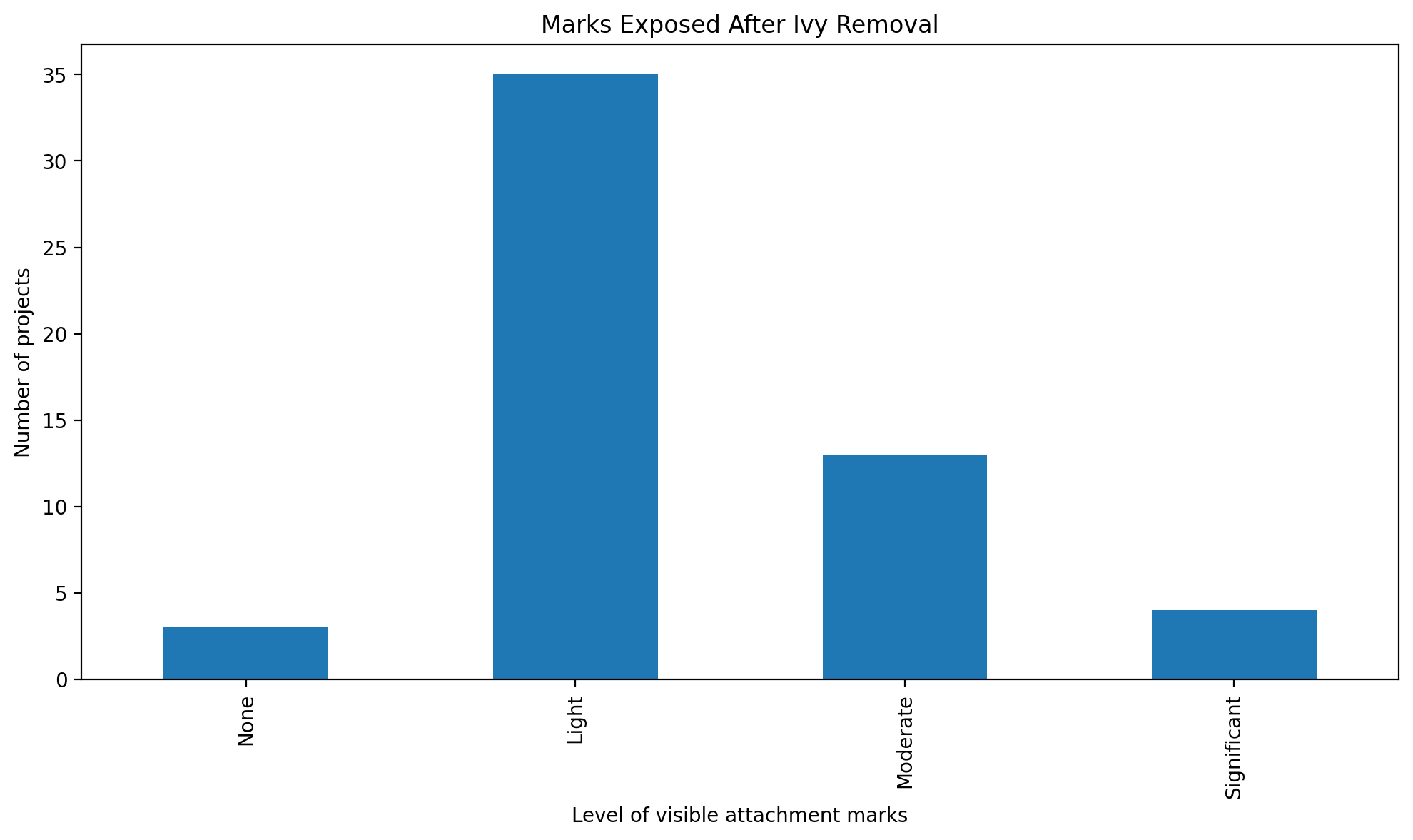
In our 55-project dataset, 52 projects showed some level of visible attachment marks after removal. We recorded 35 as light, 13 as moderate and 4 as significant. Only 3 were recorded as having no visible marks.
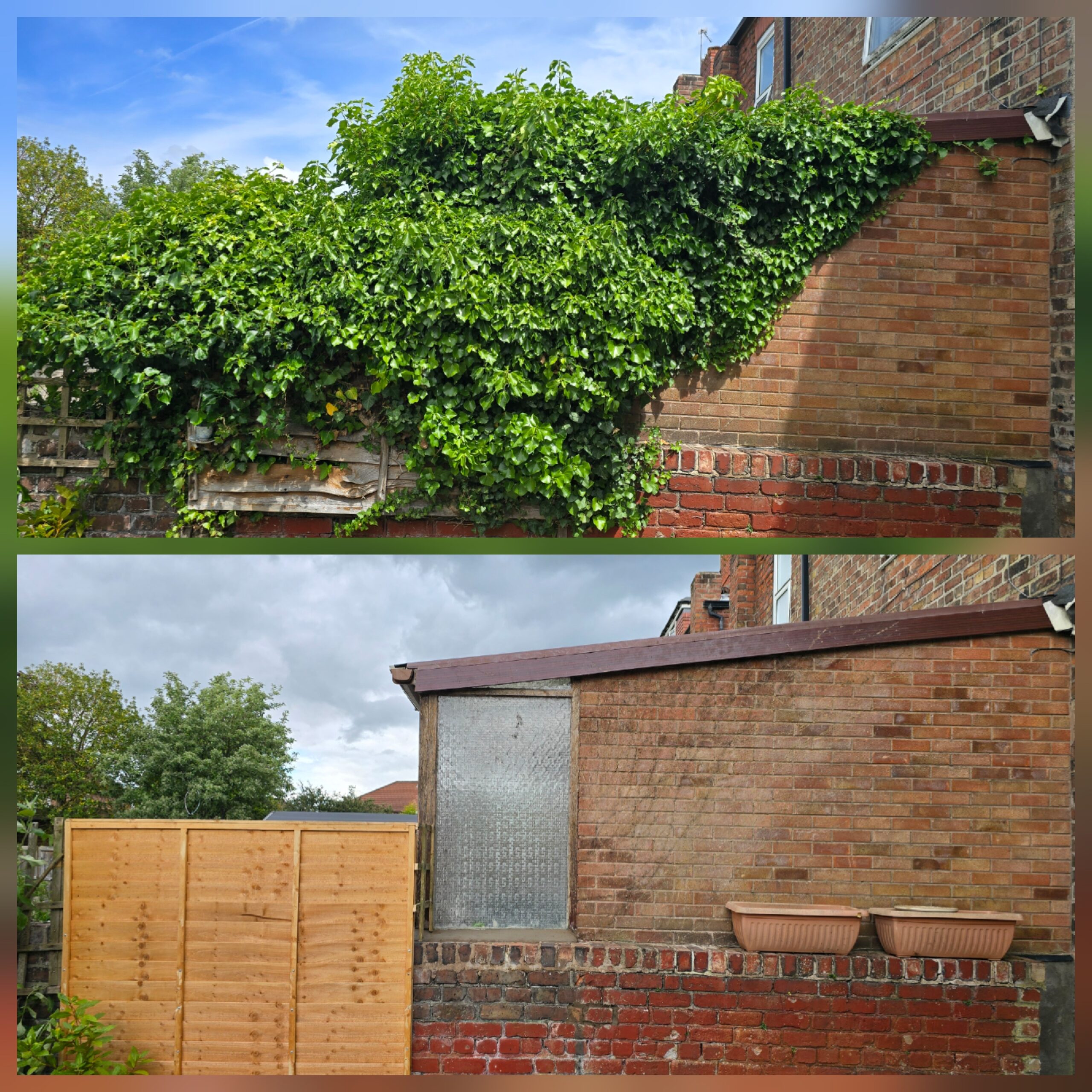
You can see how walls and other surfaces looked before and after removal in our ivy removal before-and-after gallery.
What did we find underneath the ivy?
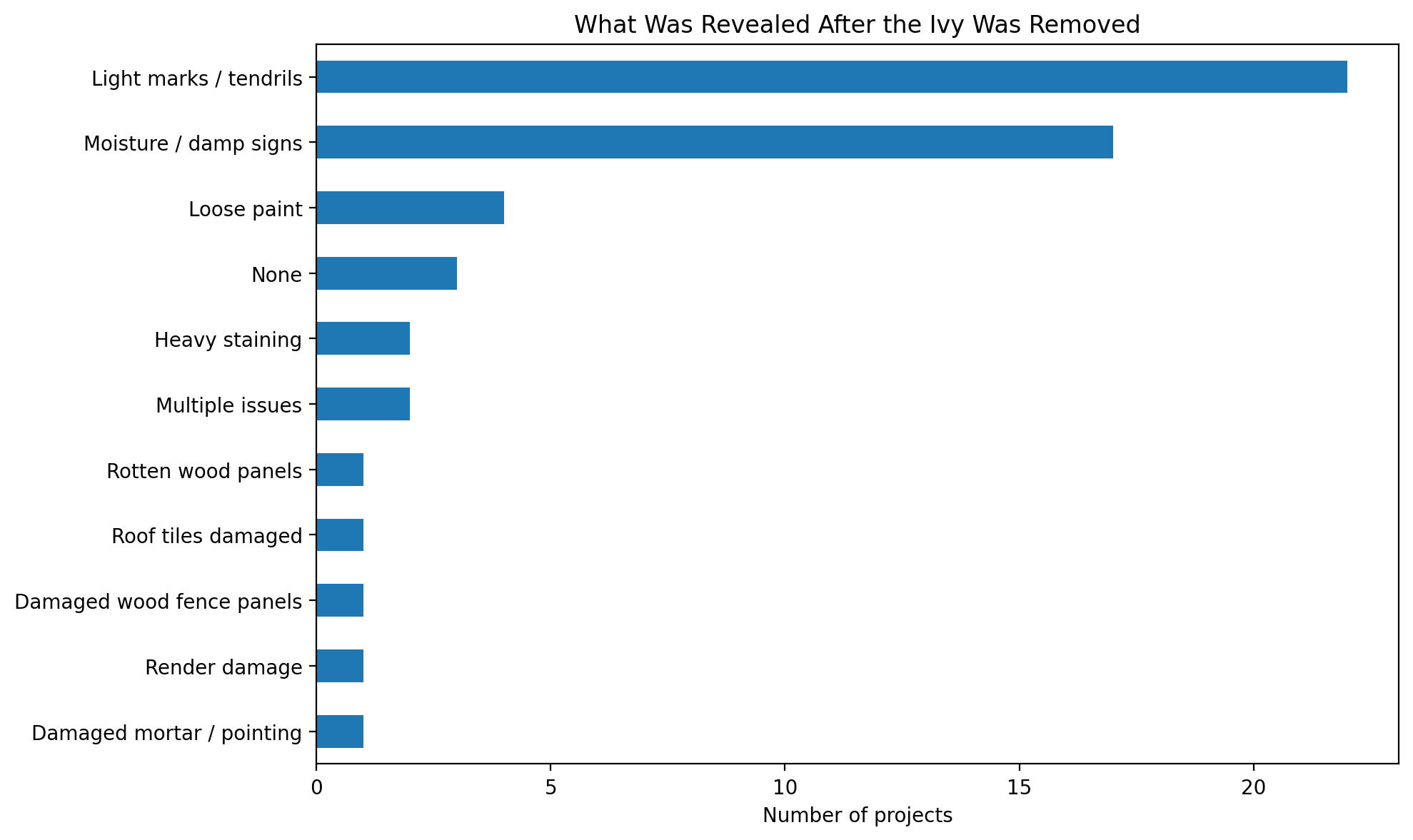
The most common observations after removal were light marks or tendrils and signs of moisture or damp. Other projects revealed loose paint, heavy staining, damaged mortar or pointing, render damage, roof-tile problems and deteriorated timber.
These findings do not mean that ivy caused every defect. In many cases, the growth had simply hidden a pre-existing condition that only became visible once the wall or structure was exposed.
Dead ivy was still difficult to remove
Dead ivy appeared in 8 of the 55 recent projects. In several of these cases, the customer or another tradesperson had already tried to remove it but found that the old stems and attachment points remained strongly bonded to the surface.
Killing the plant does not make the remaining material simply fall away. Dead ivy can still require slow manual removal and scraping, particularly where old growth has been attached to brickwork for a long time. We explain this in more detail in our guide: Why dead ivy is not always easy to remove.
How much waste does ivy removal produce?
The amount of green waste was another useful finding. Across the 55 projects, the recorded volume totalled 385 one-tonne bags. The average was 7 bags per project, and the median was also 7 bags.
Individual jobs ranged from 2 bags to 14 bags. The most common single result was 8 bags, recorded on 15 projects. This helps show why the visible ivy on a wall can be deceptive: once cut into manageable sections and cleared from the site, mature growth can produce a surprisingly large volume of material.
Roots and stumps still matter after the visible ivy is removed
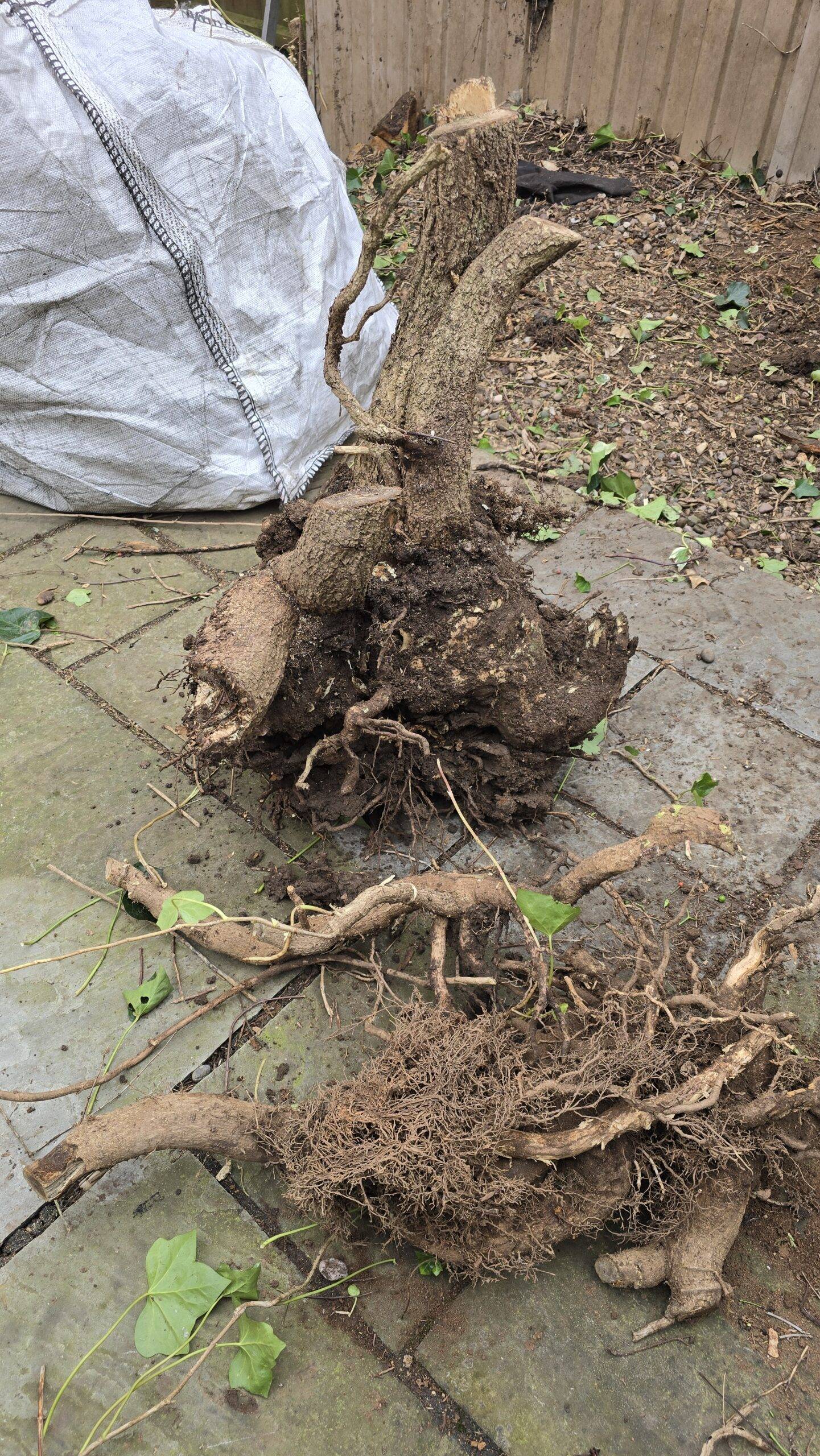
Clearing the visible growth is only one part of many projects. Where accessible and appropriate, the remaining base may be cut, dug out or treated to reduce the chance of regrowth. The correct approach depends on where the root or stump is growing and what surrounds it.
What these 55 projects tell us
The strongest pattern is that customers rarely contact us simply because they dislike the look of ivy. In many of the projects, there was a practical trigger: a neighbour or boundary issue, an upcoming property sale, obstructed access, growth around gutters or rooflines, renovation work or ivy that had become too extensive to maintain safely.
The data also shows why expectations after removal matter. Attachment marks were present on most of the walls and surfaces we cleared, difficult access was common, and more than half of the projects were classed as heavy or very heavy.
For more information about our method, completed projects and UK coverage, visit our ivy removal service page.
This article highlights the main findings from our 55-project analysis. For the deeper breakdown, including property types, customer circumstances, age groups, root and stump treatment, access, waste, marks and other recorded project data, see our full report.
Read the UK Ivy Removal Report 2026 →