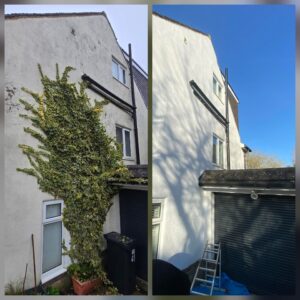
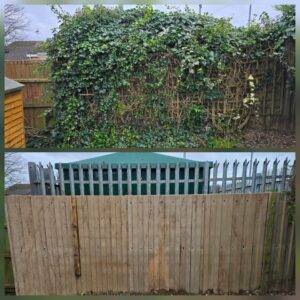
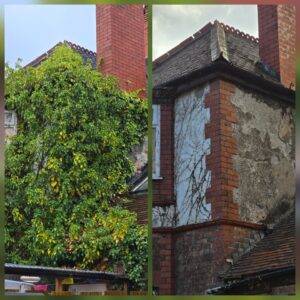
How to Remove Ivy Tendrils After Ivy Is Cut Back (and What Biocides Actually Do)
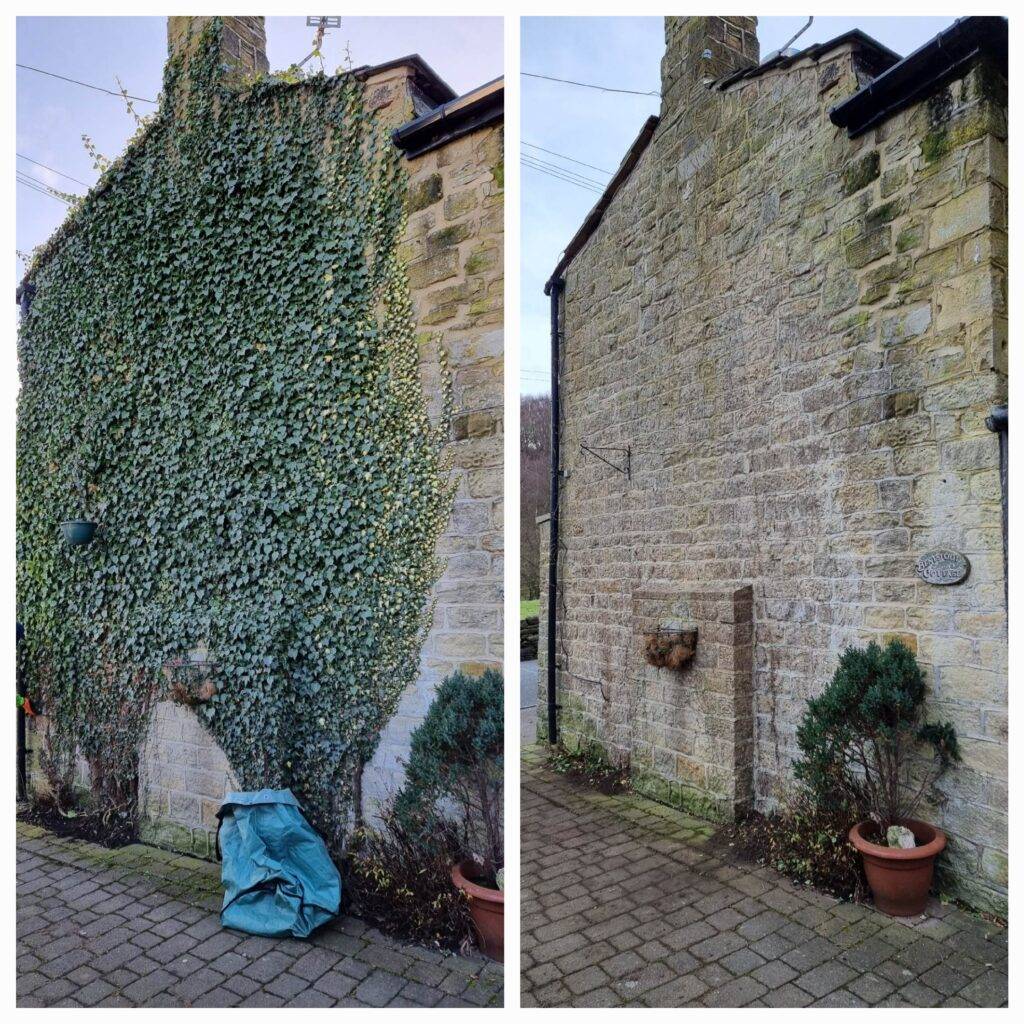
When you remove ivy tendrils from walls, the job isn’t over once the vines are cut back. Many homeowners expect the surface to look clean immediately, but the real challenge begins after the ivy is gone. Those tiny clinging pads, known as tendrils, stay firmly attached and can be the most stubborn part of the entire process.
If you need professional ivy removal, you can learn more here:
👉 https://trustedcleanerz.com/ivy-removal/
What Happens When You Remove Ivy Tendrils From Walls
Why Tendrils Stay Attached
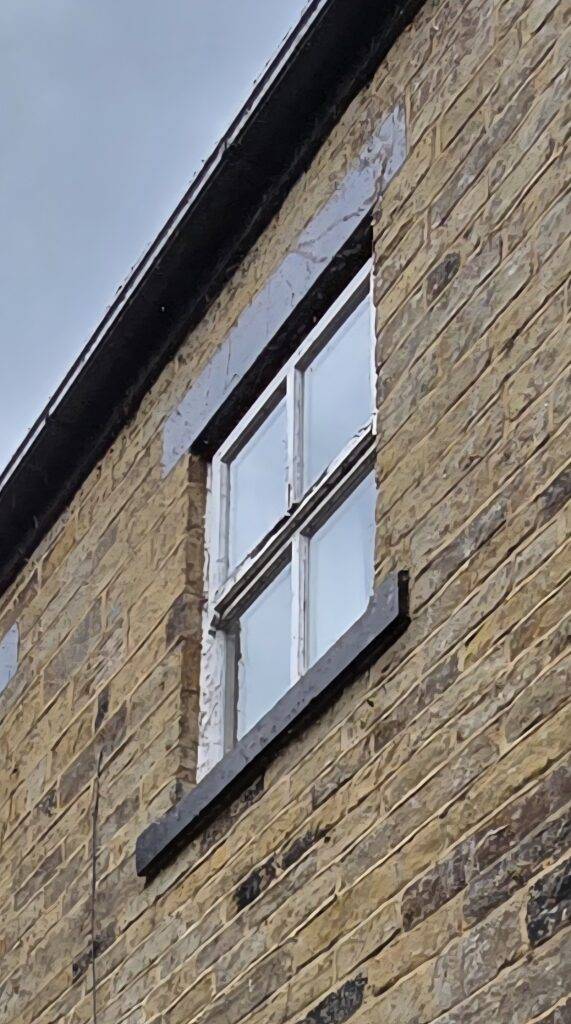
Ivy grows using an incredibly effective natural anchoring system. The small pads along the stems grip onto surfaces by forming a strong bond with tiny pores in brick, render, timber, and stone. Even when the ivy is cut back:
- The adhesive pads dry out but stay tightly fixed
- Weather takes a long time to break them down naturally
- The wall often shows small dots, fibres, or a faint “shadow” where the plant once grew
For more detail on how ivy clings to walls, the RHS provides a helpful explanation:
👉 https://www.rhs.org.uk/weeds/ivy This surprises many people — but it’s entirely normal. Removing ivy is the first step; dealing with what it leaves behind is the next stage of the process.
Cutting Ivy vs. Restoring the Wall
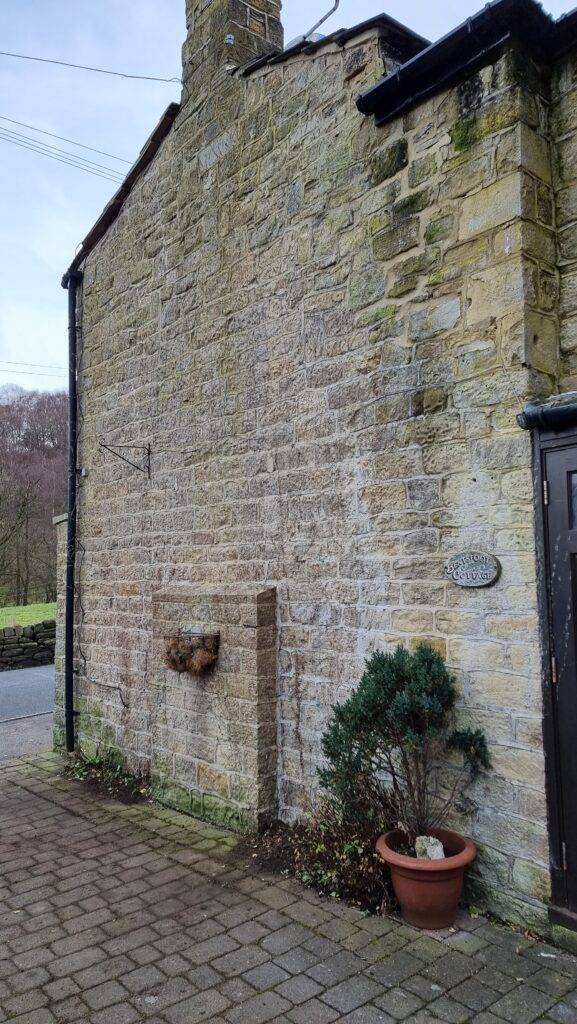
Removing the ivy eliminates the living plant, but the tendrils behave more like residue than vegetation. They hold on strongly because they were designed to support a climbing plant that can weigh hundreds of kilograms.
That’s why, even after the vines are cleared:
- The wall doesn’t immediately look restored
- Tendrils can stay visible for some time
- Additional treatment or cleaning is often required if a clean finish is desired
If you’re in one of our main service areas, see our ivy removal options in West Yorkshire:
👉 https://trustedcleanerz.com/ivy-removal-west-yorkshire/ Understanding this helps set realistic expectations and avoids the feeling that the ivy was “not removed properly.” The removal was successful — the tendrils simply require their own approach
What Biocides Actually Do After Ivy Removal
The Purpose of Applying a Biocide
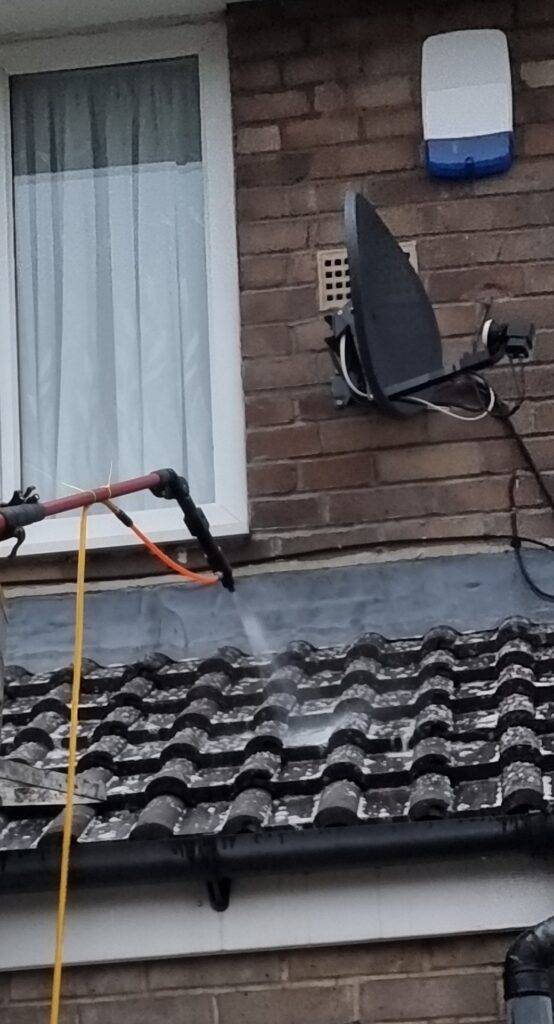
After ivy is cut back, applying a biocide helps treat the newly exposed areas of the wall. This step:
- Stops any remaining plant cells from surviving
- Prevents new ivy growth from trying to reattach
- Reduces the chance of algae, moss, and other organic matter taking hold
Think of biocide as preparing and protecting the wall once the ivy has been removed.
What Biocides Don’t Do — And Why That’s Important
A biocide is designed to treat biological material, but tendrils behave more like a dried adhesive. They don’t loosen or fall away when sprayed. The biocide ensures the wall is biologically clean, but the physical residue still needs to be addressed separately if the goal is a fully restored appearance.
This is where professional ivy removal specialists understand the correct sequence of steps — first clearing the plant, then treating the surface, and finally helping clients decide what level of wall restoration they want.
Tendrils and the “Drying Effect”
Although biocides don’t dissolve tendrils, they often help by ensuring any remaining organic matter fully dries out. Dried, inert residues are generally easier to deal with later, whether through weathering or additional cleaning methods.
This subtle effect can make the overall process smoother and the final finish more predictable.
Do Biocides Make Tendril Removal Faster?
How Biocides May Contribute to Easier Aftercare
While biocides don’t dissolve ivy tendrils, they do help create better conditions for what happens next. Once the ivy has been removed and the surface treated:
- Any remaining organic residues tend to dry out more thoroughly
- The material often becomes more brittle over time
- Future maintenance or cleaning, if chosen, can feel more manageable
This doesn’t make tendrils “fall off,” but it does ensure the wall is properly treated and protected after the ivy is gone — a key part of long-term prevention.
Why Tendrils Still Require Physical Removal
Ivy tendrils form a strong, almost glue-like bond with the surface underneath. Even after biocide treatment, they remain firmly attached until they break down naturally or are physically removed.
For homeowners who prefer a cleaner finish sooner, additional surface-care techniques may be used later.
For those who don’t mind a gradual, natural fade, the tendrils will soften and reduce over time.
To learn more about ivy removal in your region, visit:
👉 https://trustedcleanerz.com/ivy-removal-york/
Natural Weathering vs. More Immediate Results
Tendrils will eventually degrade, but the process can be slow. Rain, sunlight, and frost gradually soften them, but depending on the surface, this may take months or even years.
Some homeowners are perfectly happy to allow the wall to weather naturally. Others prefer faster visual improvement and may choose more active cleaning methods.
Both approaches work — it simply depends on the desired outcome.
Effective Approaches to Tendril Removal
Manual Brushing and Light Scraping
One of the most common ways to remove dried ivy tendrils is through gentle manual methods such as:
- Brushing with a stiff or masonry brush
- Light scraping where appropriate
- Repeated passes to gradually lift residues
These methods allow for a controlled, careful approach, especially on older or more delicate surfaces.
Steam and Low-Pressure Cleaning
Some homeowners choose exterior surface-cleaning specialists who use methods such as low-pressure steam or controlled washing. These techniques can lift a higher percentage of dried tendrils and provide a more uniform finish.
They are particularly effective on brick, stone, and rendered surfaces where a cleaner visual result is desired.
When Biocide Fits Into the Process
Biocide application isn’t just a finishing touch — it’s a crucial step in ivy removal. It is typically used:
- Immediately after ivy has been cleared
- To treat any remaining biological material
- To discourage new ivy from re-establishing
- To support longer-term wall maintenance
Biocides work alongside other methods to ensure the wall is left in its best possible condition after the ivy has been removed. For ivy removal throughout West Yorkshire, you can read more here:
👉 https://trustedcleanerz.com/ivy-removal-west-yorkshire/
Final Summary: What to Expect After Ivy Removal
Biocides play an important role in preparing and protecting a wall after ivy is removed, but they do not dissolve or detach tendrils. Those small, dried pads require time or physical removal depending on the homeowner’s preference.
In short:
Biocides help by:
- Treating remaining organic material
- Preventing new ivy from reattaching
- Supporting better aftercare conditions
They do not:
- Loosen or dissolve ivy tendrils
- Cause residues to fall away on their own
Understanding what does and doesn’t remove ivy tendrils from walls helps homeowners make the right choice after ivy removal.
For full ivy removal services in your area:
👉 https://trustedcleanerz.com/ivy-removal/