What Pests Can Be Hiding Behind Ivy on UK Homes?
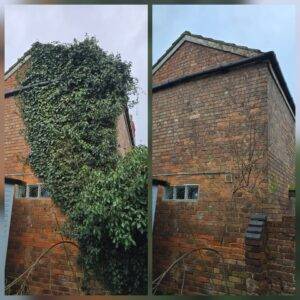
Ivy looks harmless from the outside, but once you start peeling it back, you often find a whole mini-habitat tucked between the leaves and the wall. The thick growth blocks wind and rain, holds humidity, and creates sheltered gaps where pests can hide, hunt, or nest—sometimes for months without anyone noticing.
Why Ivy Attracts Pests in the First Place
Dense ivy creates three things pests love: cover, stable temperature, and a steady food chain. Small insects live in the leaves and debris; larger insects feed on them; and predators (like spiders) follow. If the ivy has grown undisturbed for a long time, it can become a convenient “corridor” along walls and up toward rooflines—especially on older properties with lots of nooks, cracks, and sheltered edges.
The 4 Most Common Pests We Uncover Behind Ivy
Below are four of the most common “behind-the-ivy” finds. These are also the kinds of pests that often surprise homeowners because you may not see them until the ivy is disturbed.
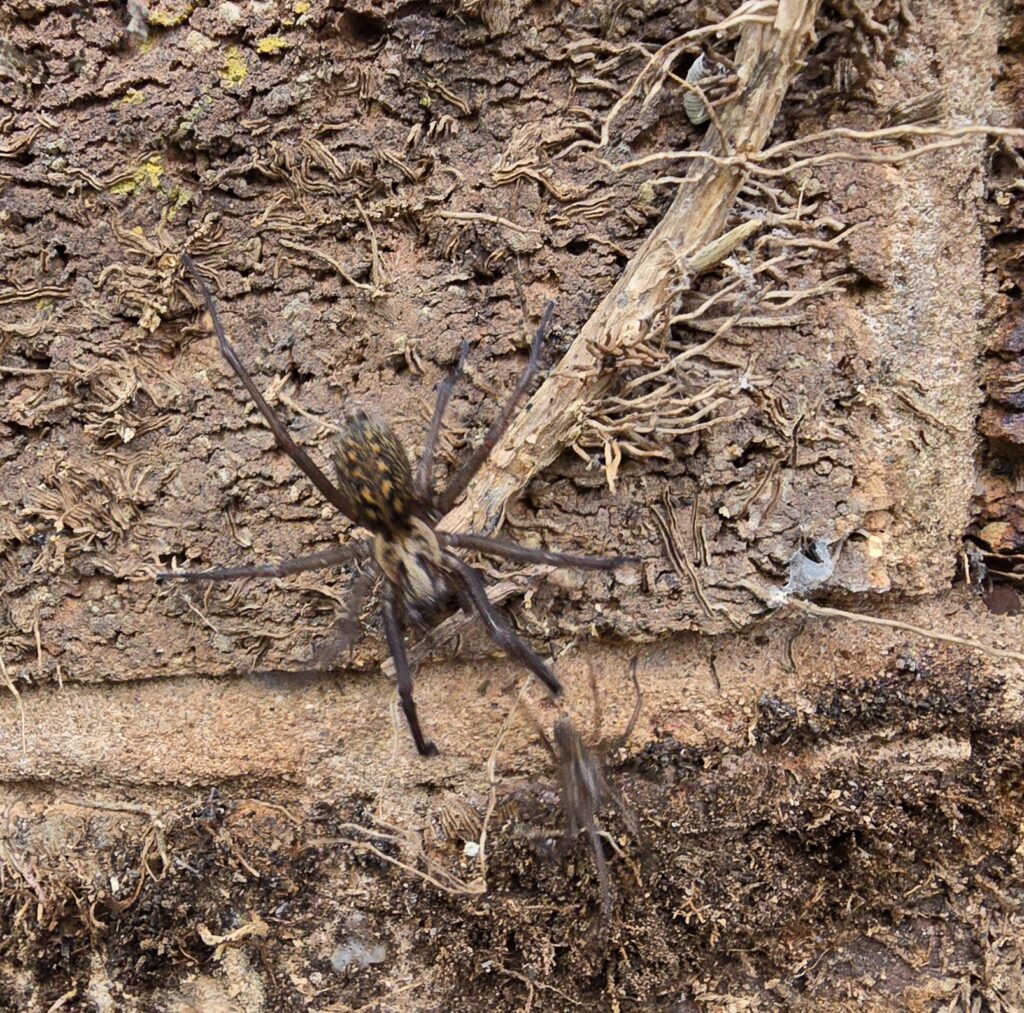
Spiders (the silent residents)
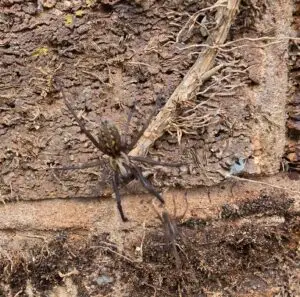
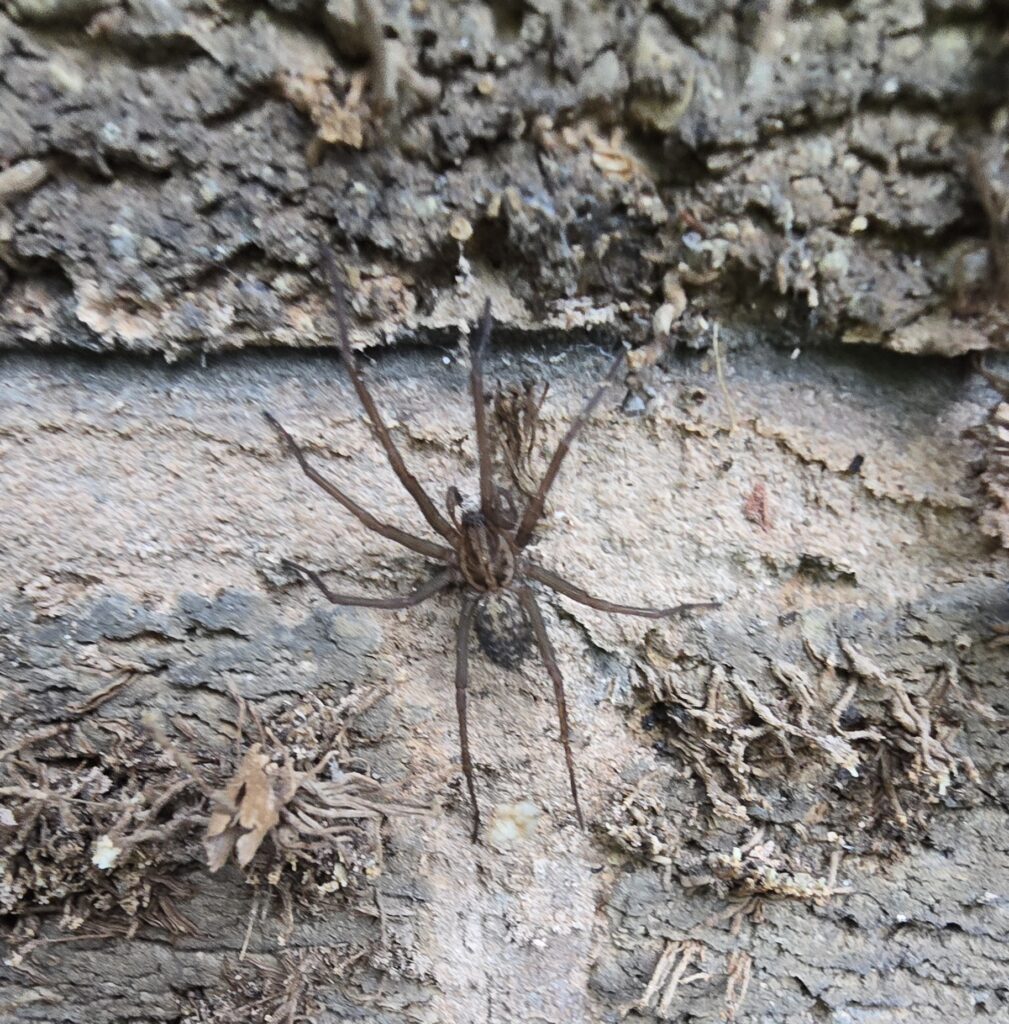
Spiders are one of the most common finds because ivy is full of prey. Behind thick growth, spiders can build webs in protected corners and hunt where insects constantly pass through. In most cases they’re harmless, but they can be startling when ivy is pulled down quickly—especially when multiple webs and hiding spots are exposed at once.
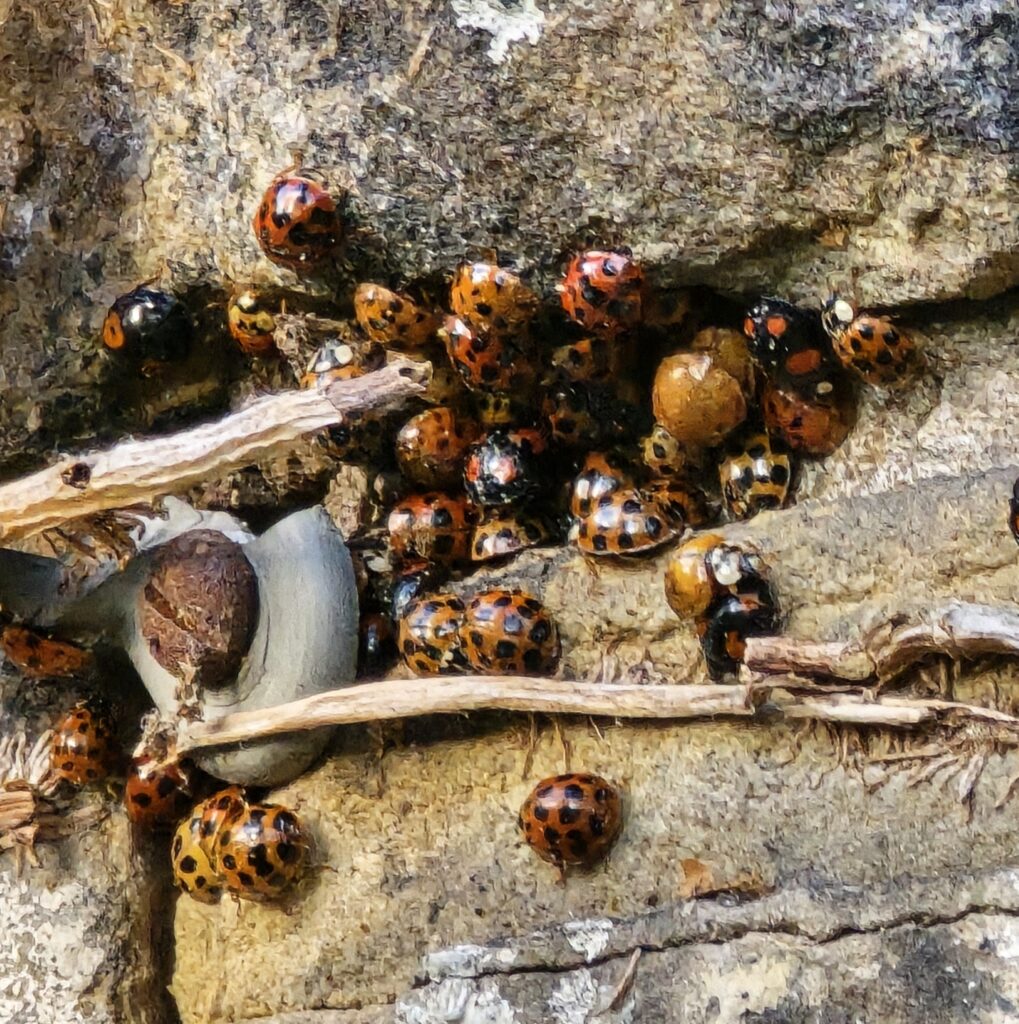
Harlequin ladybirds (clusters in sheltered gaps)
If you’ve ever seen ladybirds gathering in groups, ivy-covered walls are a prime place for it. Harlequin ladybirds often cluster in sheltered cracks and cavities behind ivy where it’s calm and protected. When the ivy is disturbed, they may scatter—and some can end up indoors through small openings around frames, soffits, or vents. They’re not usually dangerous, but large numbers can be a nuisance (and some people find they trigger irritation or a strong smell when handled).
If you want the deeper explanation of why they gather and what to do about them, read our guide: harlequin ladybirds in ivy
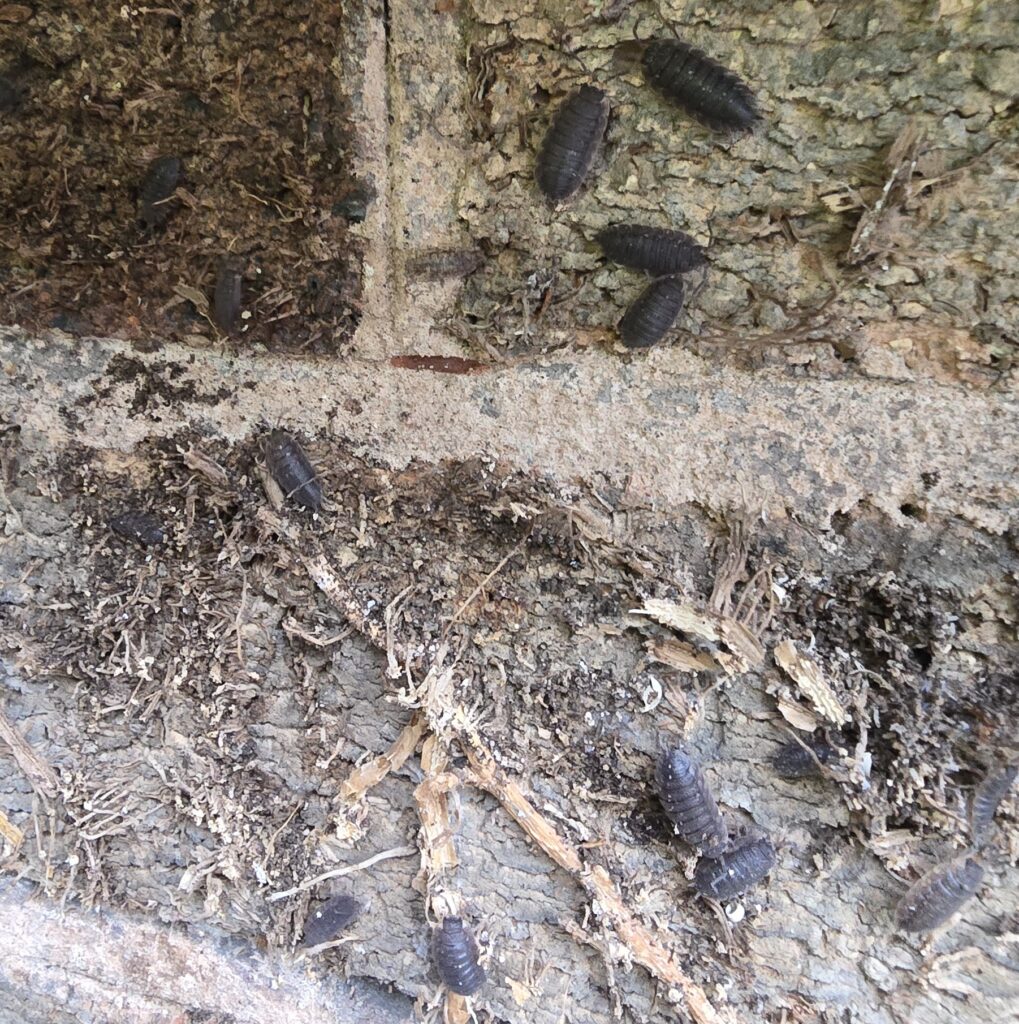
Woodlice (the “damp-corner cleaners”)
Woodlice thrive in shaded, humid places with leaf litter and organic debris—exactly what accumulates behind heavy ivy growth. They feed mostly on decaying material, so they’re more of a “hidden ecosystem” sign than a true infestation. Still, when ivy is removed, you can suddenly reveal a lot of them at once, and some may wander into nearby door thresholds or air bricks.
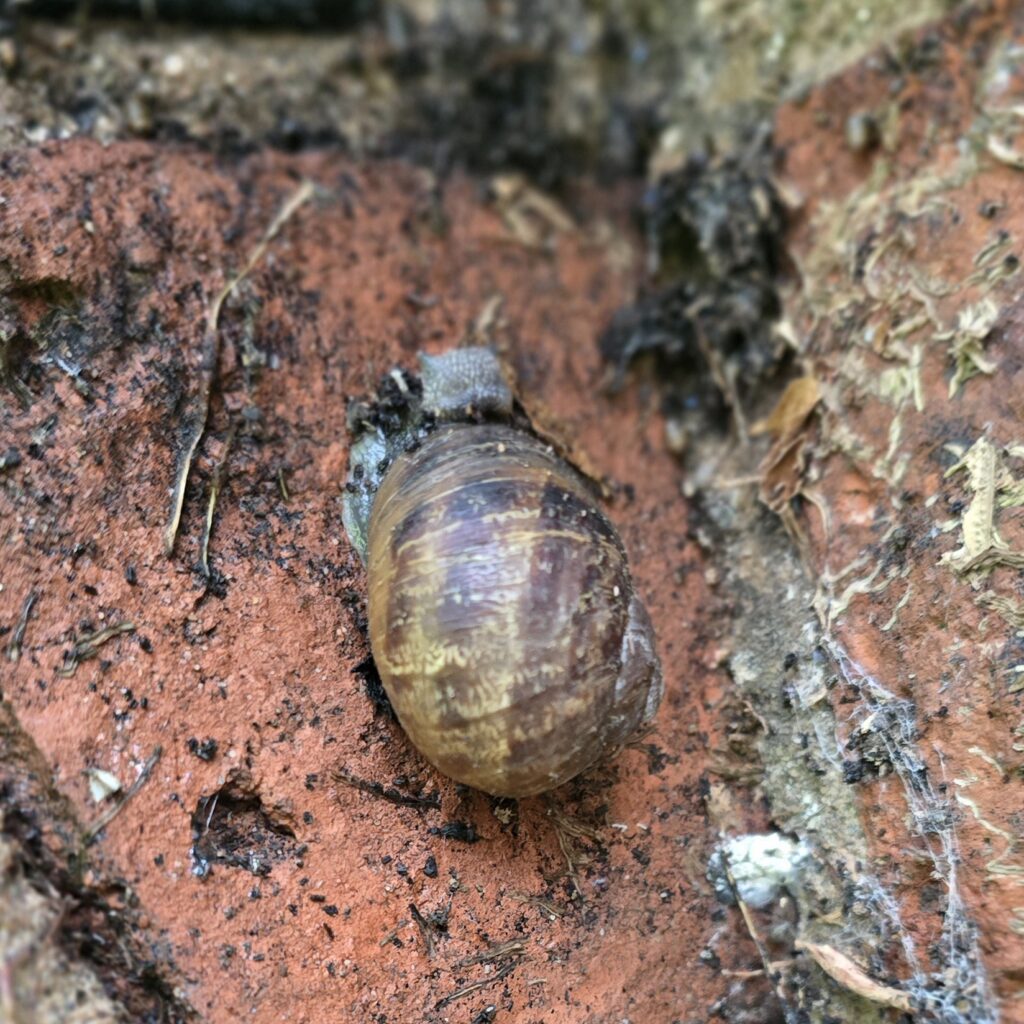
Snails (and sometimes slugs)
Snails love the cool, sheltered microclimate ivy creates. Behind thick foliage you often find them tucked into cracks, brick joints, ledges, or damp corners where they’re protected from sun and wind. Snails are mostly a garden nuisance, but if ivy runs close to doors, patio edges, or low windows, they can be part of the reason you’re seeing more snail trails nearby.
Other Pests Ivy Can Hide (Even Without You Spotting Them)
Even if you don’t have photos of these, they’re worth mentioning because they matter to homeowners across the UK:
- Rodents (mice and rats): ivy can give cover at ground level and act like a concealed route along walls. That doesn’t mean ivy “causes” rodents, but it can make it easier for them to move unseen and reach entry points.
- Wasps (and occasionally bees in cavities nearby): dense ivy can conceal a nest entrance, and people often only notice once they start pulling growth away.
- Ants and other crawling insects: ivy can provide hidden pathways and sheltered nesting spots.
- Flies and small beetles: not always obvious until the ivy is disturbed, especially where there’s trapped debris.
Before You Pull Ivy Down: Quick Pest Check
If you’re removing ivy yourself, a fast check can prevent nasty surprises:
- Watch for wasp flight paths (in and out of one spot). If you see that, stop.
- Look for rodent signs near the base and along ledges (droppings, gnawing, runs).
- Check likely hiding gaps around pipes, vents, and roof edges where pests can disappear into.
- Wear gloves and eye protection (ivy debris and insects drop quickly).
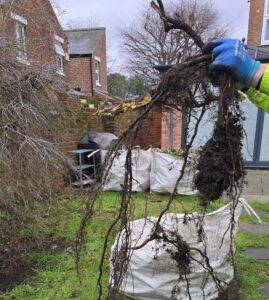
- Remove in small sections rather than ripping everything down in one go.
Want It Removed Professionally?
If you’d rather avoid disturbing hidden pests and want the ivy taken down carefully, you can get help from Trusted Cleanerz Ltd.
Main service page: Ivy removal services across the UK
Typical UK price ranges: typical UK price ranges
See real before/after results: ivy removal before and after gallery